
About Us
Safe Community Empowerment System (SCES) is a city-licensed Governance Operating Infrastructure for public safety and human development.
It exists to govern a structural gap no administration has resolved: the absence of a unified system connecting agencies, sustaining participant developmental progress, and holding outcomes accountable beyond any single administration's term.
Who are we
SCES was built by governance architects, human development practitioners, policy designers, and operational leaders — from the inside of the systems it now governs: courtrooms, supervision offices, reentry programs, community corridors.
This is where fragmentation is not a finding. It is a lived condition. We have seen where progress resets, which handoffs erase months of development, and the moment a participant moves from one institution into another that has never heard of the one before it.
SCES was not designed in a conference room. It was engineered at the intersection of governance experience, human development research, and a constitutional standard for what cities owe the people moving through them.
Our Founders and Board Members
SCES is governed by an advisory board holding direct experience across municipal leadership, public safety, courts and corrections, academic research, fiscal policy, and workforce development.
The Board exists to keep SCES accountable to the conditions it governs and the outcomes it was built to produce.
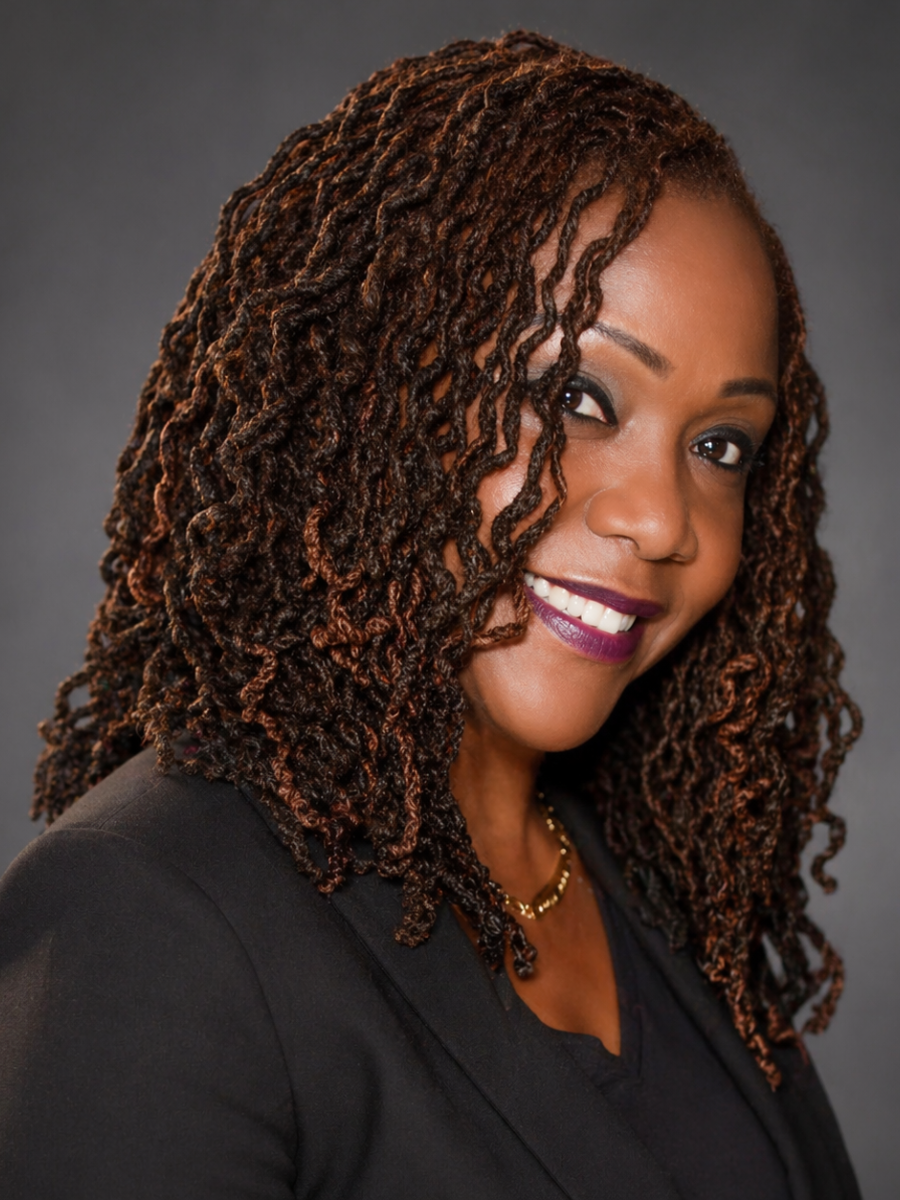
Viola Dunnom, Co-Founder, Audit Committee
Viola L. Dunnom serves as Co-Founder and Audit Committee Member of SCES, with responsibility for legal documentation integrity, records control, and administrative precision across the Corporation’s governance and financial systems.
She brings over three decades of experience within the New York State court system, including more than twenty years as a Senior Court Reporter, operating in high-stakes legal environments where accuracy, confidentiality, and discipline are absolute requirements.
Throughout her tenure with the New York Office of Court Administration, Ms. Dunnom was responsible for the real-time transcription and preservation of legal proceedings, ensuring that official records met exacting standards of accuracy, completeness, and legal admissibility.
Within SCES, Ms. Dunnom ensures that all documentation—legal, financial, and operational—is maintained with precision, consistency, and audit readiness. She supports the Corporation’s ability to operate within regulated environments by reinforcing record integrity, procedural accuracy, and compliance alignment across all functions.
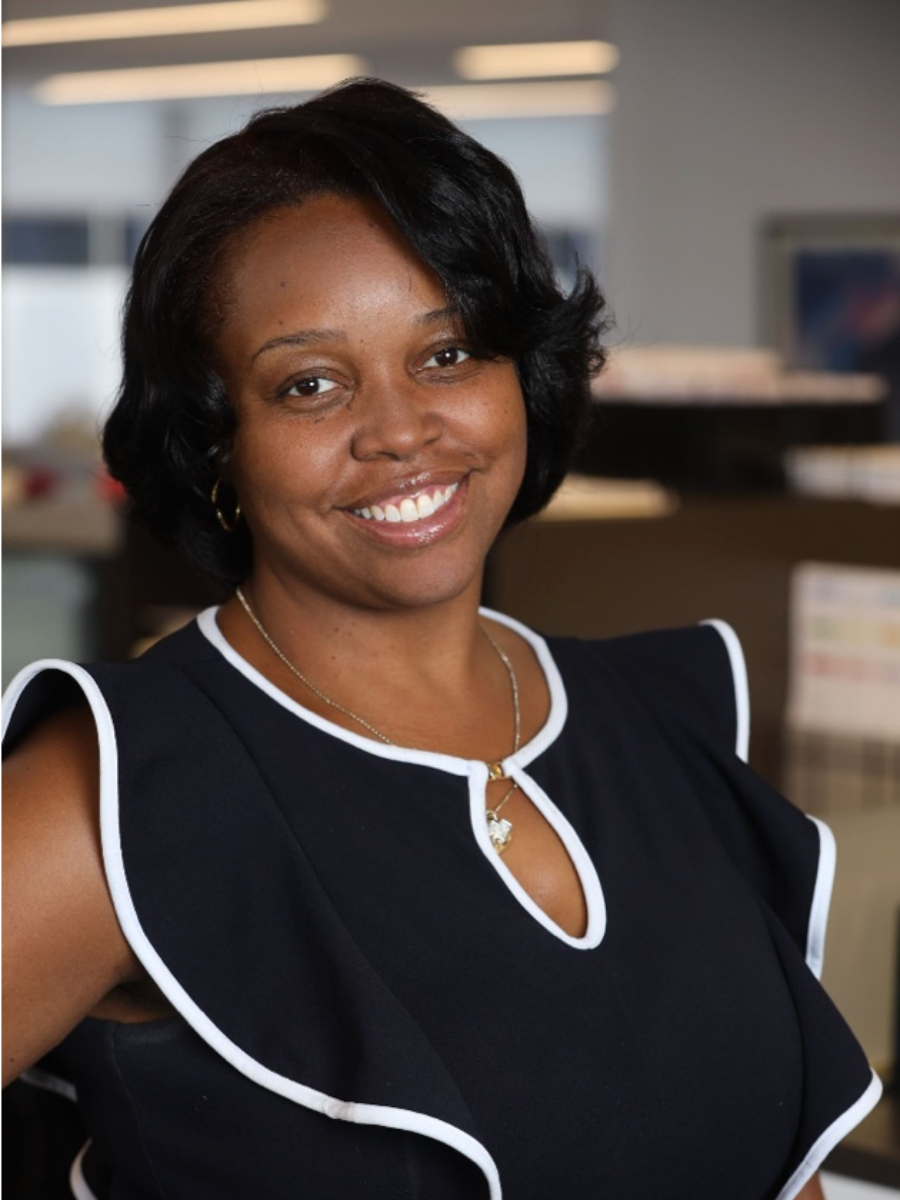
Erika Young, Co-Founder, Audit Committee
Erika Young serves as Co-Founder, Vice President, and Audit Committee Member of SCES, with primary responsibility for financial governance, audit oversight, and institutional financial integrity.
She brings over three decades of experience in banking and capital markets, operating within regulated financial environments where accuracy, compliance, and control are non-negotiable. Her background includes leadership in complex financial operations, revenue systems, and high-stakes transaction environments, including IPO and SPAC administration within a leading U.S. transfer agency.
Within SCES, Ms. Young ensures that all financial systems operate with discipline, transparency, and audit readiness. Her role anchors the Corporation’s financial architecture—establishing controls, validating reporting accuracy, and ensuring alignment with institutional and public-sector accountability standards. Her experience across both corporate finance and community-facing governance positions her to bridge financial precision with real-world application, ensuring that SCES maintains structural integrity at scale.
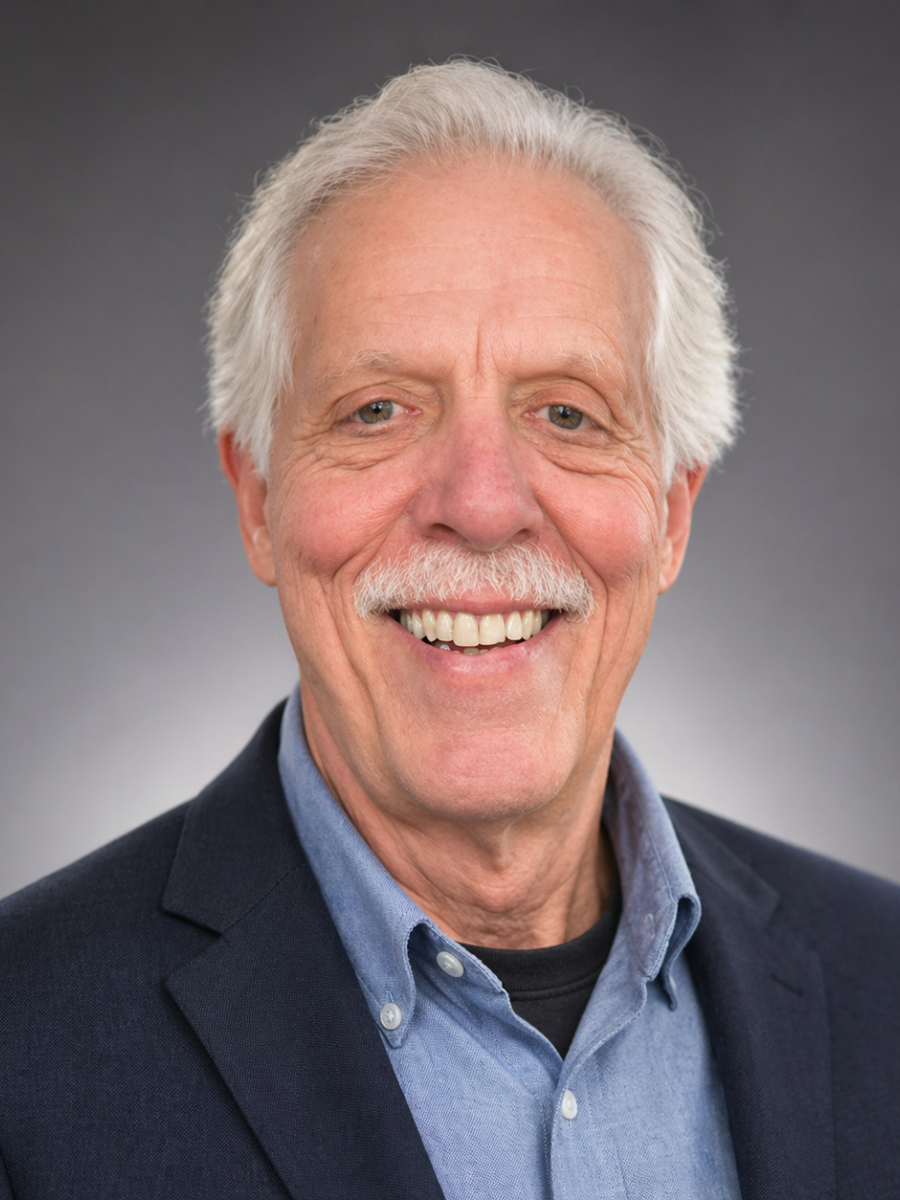
Gordon Boyd, Board Chairman, Audit Committee
Gordon Boyd serves as Chair of the SCES Audit Committee and Advisory Board, with responsibility for fiscal analysis, audit authority, and board-level financial accountability. His role ensures that all financial activity, reporting structures, and system outputs meet enforceable standards of accuracy, compliance, and auditability.
Mr. Boyd’s background in municipal advisory and his experience within the New York State Assembly—where he contributed to infrastructure and fiscal policy—position him to evaluate SCES through a public-sector lens. He brings a disciplined approach to financial oversight, ensuring that SCES operates in alignment with government expectations, procurement standards, and long-term fiscal defensibility.
His leadership reinforces audit independence while ensuring that financial systems remain coherent, measurable, and institutionally credible.
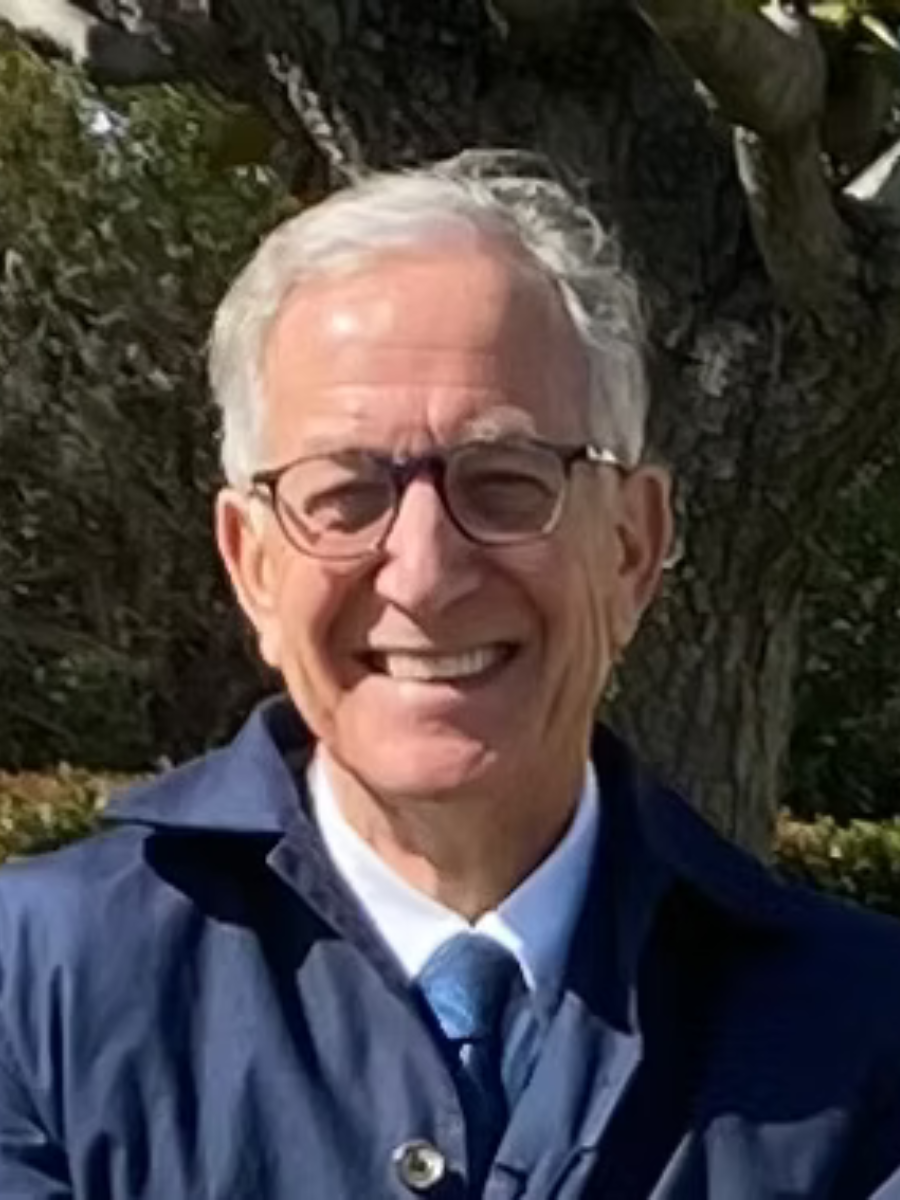
Francis Zarro
Frank Zarro serves as an Advisory Board Member of SCES and President of Society Impact, where he leads the development of policy-driven, outcome-based solutions addressing criminal justice reform, workforce development, and reentry systems. His work focuses on designing structured interventions that reduce recidivism, improve reintegration outcomes, and align public policy with measurable social and economic impact.
Mr. Zarro is also the founder of In Our Name, a civic learning and advocacy initiative dedicated to exposing systemic deficiencies in the criminal justice system and mobilizing public awareness and accountability. Through this work, he has supported justice-impacted individuals and families, contributed to restorative justice initiatives, and helped develop programs that bridge education, advocacy, and direct system intervention.
Within SCES, Mr. Zarro contributes to the development of policy-aligned system architecture, ensuring that the platform integrates effectively with government structures, legislative priorities, and public-sector funding mechanisms. His expertise strengthens SCES’s ability to operate at the intersection of governance, public policy, and social impact financing.
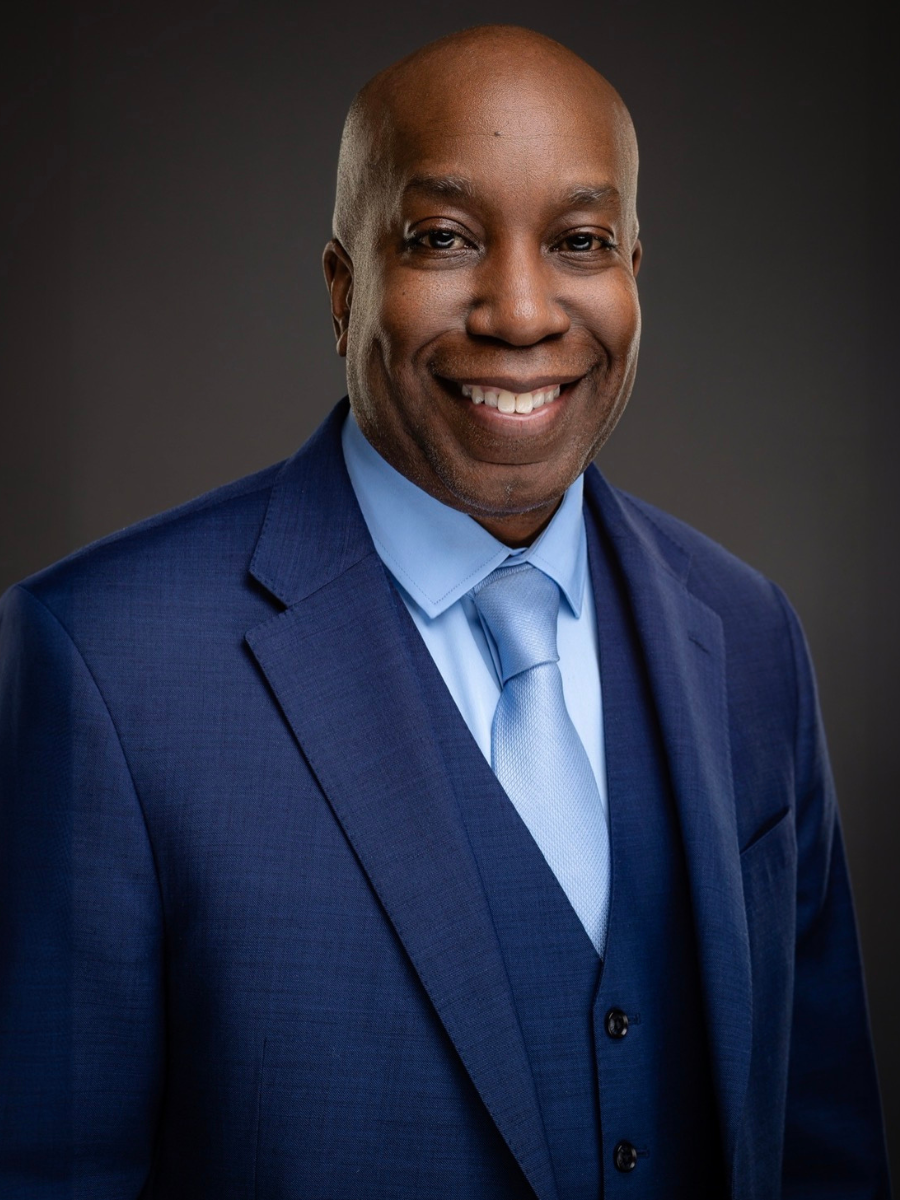
Elliot Allen
Elliot Allen serves as an Advisory Board Member with specialization in emotional intelligence, mental conditioning, and human performance development. As the founder of the Mental Conditioning Movement® and the Mental Conditioning Gym™, he has developed structured methodologies for strengthening mindset, resilience, and behavioral control under real-world conditions.
His professional background spans engineering and over two decades in the NYPD as a Detective, providing him with direct exposure to high-pressure environments and behavioral dynamics.
Within SCES, he contributes to the development and delivery of training frameworks that enhance emotional regulation, decision-making, and personal accountability. His work supports the system’s human development doctrine by ensuring that internal transformation is measurable, repeatable, and aligned with performance outcomes.
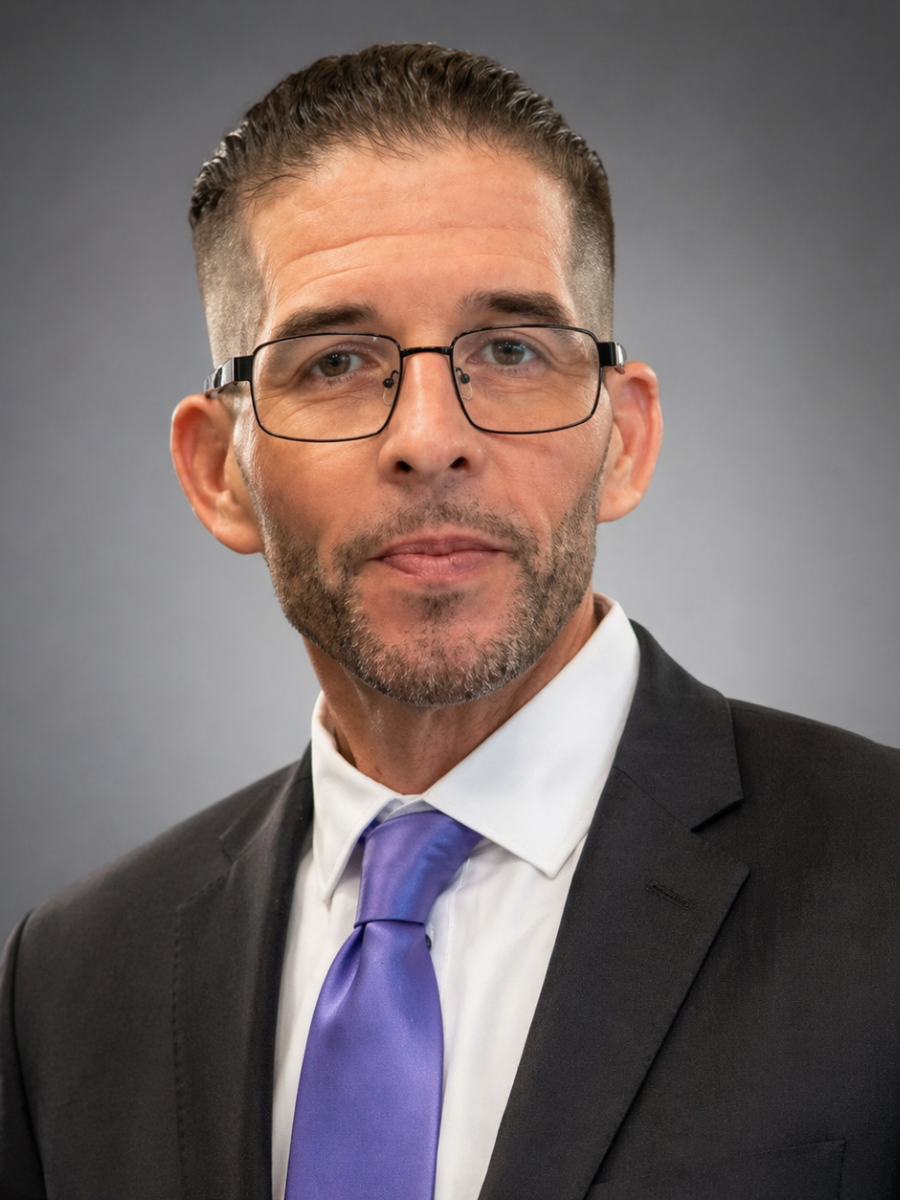
Séan Martin Dalpiaz
Seán Martín Dalpiaz serves as an Advisory Board Member with expertise in real estate development, reentry systems, and housing-based stabilization infrastructure. His work centers on the design and execution of integrated housing models that support justice-involved populations and individuals transitioning from institutional systems.
As Program Director of the Osborne Association’s Fulton Community Reentry Center, he led the transformation of a former correctional facility into a 140-bed transitional housing model, integrating housing, workforce readiness, healthcare, and personal development into a single operational structure. His prior leadership in real estate and facility administration further strengthens his ability to align physical infrastructure with human development outcomes.
Within SCES, he contributes to the design of durable reentry pathways, ensuring that housing, stability, and development are structurally integrated rather than programmatically isolated.

Shanta Brown
Shanta Brown serves as an Advisory Board Member with responsibility for administrative structure, operational execution, and system-level coordination. She brings a disciplined approach to organizational management, with demonstrated capability in structuring workflows, managing multi-layered operations, and maintaining execution consistency across complex initiatives.
Her background in business development and strategic planning enables her to translate vision into operational systems, ensuring that SCES maintains clarity, efficiency, and accountability in implementation. She contributes to the alignment of internal processes, administrative structure, and performance standards—supporting the Corporation’s ability to operate as a coordinated system rather than a collection of activities.
Her additional strengths in communication and human engagement reinforce SCES’s capacity to maintain both operational precision and participant-centered effectiveness.
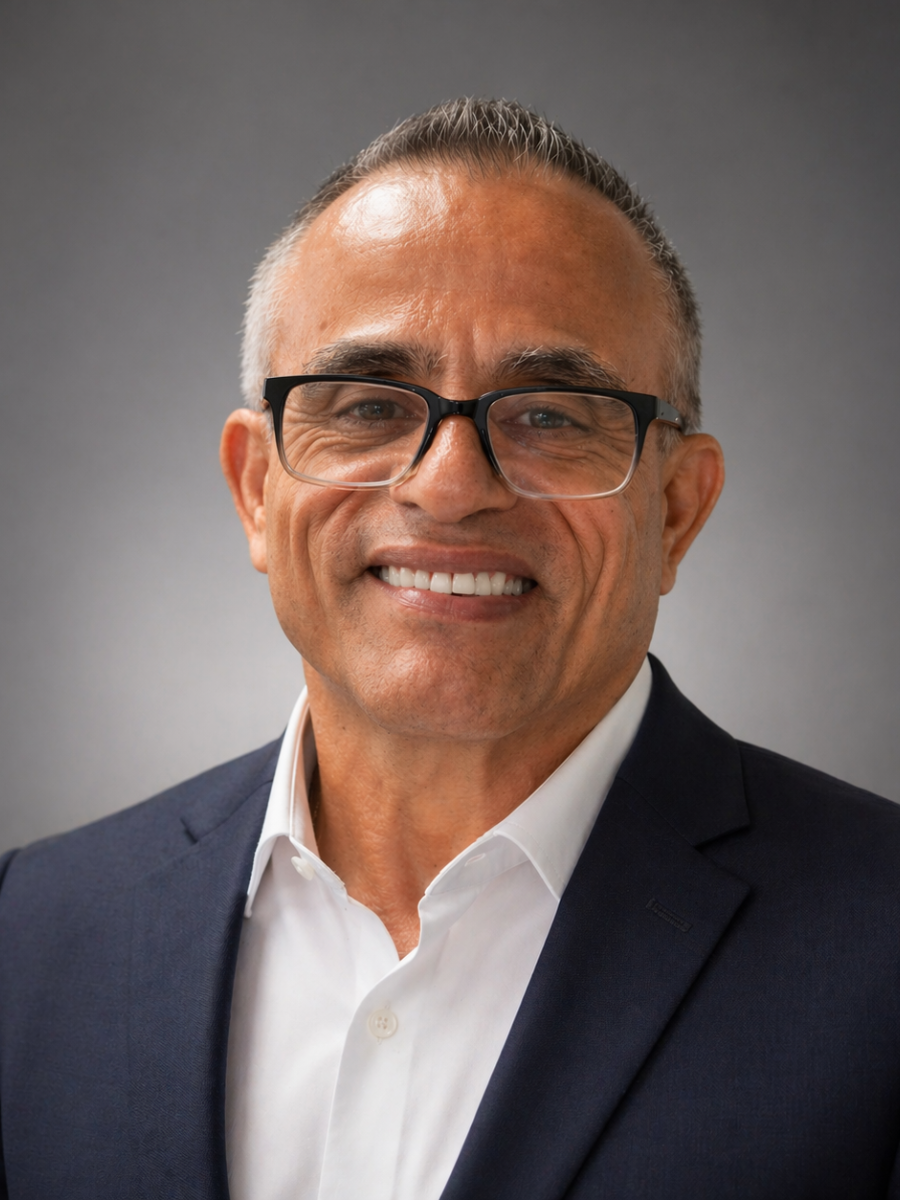
Anthony Gonzalez
Anthony M. Gonzalez serves as an Advisory Board Member with expertise in clinical intervention, behavioral health systems, and senior-level training. His career spans over three decades in correctional systems, addiction treatment, and human services, with a focus on substance abuse treatment, criminal thinking education, and structured behavioral change.
As a former Master-Level CASAC counselor and lead trainer within the New York State correctional system, he played a central role in developing and implementing relapse prevention and treatment frameworks for justice-involved populations. His experience as a therapist, educator, and program developer positions him to guide SCES in integrating clinical rigor into its human development model.
Within SCES, he supports the design of evidence-based intervention pathways and training systems that ensure behavioral transformation is both clinically informed and operationally executable.
Governing commitments
Three Conditions, Non-Negotiable.
To the cities we serve: infrastructure, never a program in its place.
To the people moving through the system: development, never management of a problem.
To the agencies and partners operating beside us: coherence, never a surrender of authority.
These are not values. They are the operating conditions SCES was built under, and the standard every decision inside it is measured against.
The Standard
Trust
Trust is the infrastructure beneath every system SCES governs. Cities trust SCES with authority. Participants trust SCES with progress. Agencies trust SCES with data. A system that loses the trust of any principal governs nothing. Trust is earned through transparency, held through consistency, and rebuilt through accountability when it is not.
Honesty
Honesty is a governance requirement, not a preference. SCES surfaces underperformance before it is asked to. A city hears its corridor is underperforming from SCES first. A participant hears their progression is stalling before the gate does. Delivered early, honesty protects every principal. Withheld, it protects none of them
Integrity
Integrity is what holds the system together when political pressure, budget cycles, and leadership transitions try to pull it apart. The Licensing and Fidelity Framework exists because fidelity to design cannot depend on who is auditing. The standard does not lower when lowering it would be easier — the architecture makes the standard self-enforcing.
Principles
Leadership is a choice before it is a title. Every person operating inside SCES — staff, partner, agency — leads from principle first, because the system is only as principled as the people governing it.